What Is Field Instrumentation in the Process Industry?


Automation is transforming the process industry. From oil and gas and mining to water treatment and food production, modern plants rely on a network of instruments and control systems to run safely, efficiently and consistently.
At the heart of every automated plant is field instrumentation. Understanding how these instruments work, how to calibrate them and how they connect to the control system has become an essential skill for today's electricians.
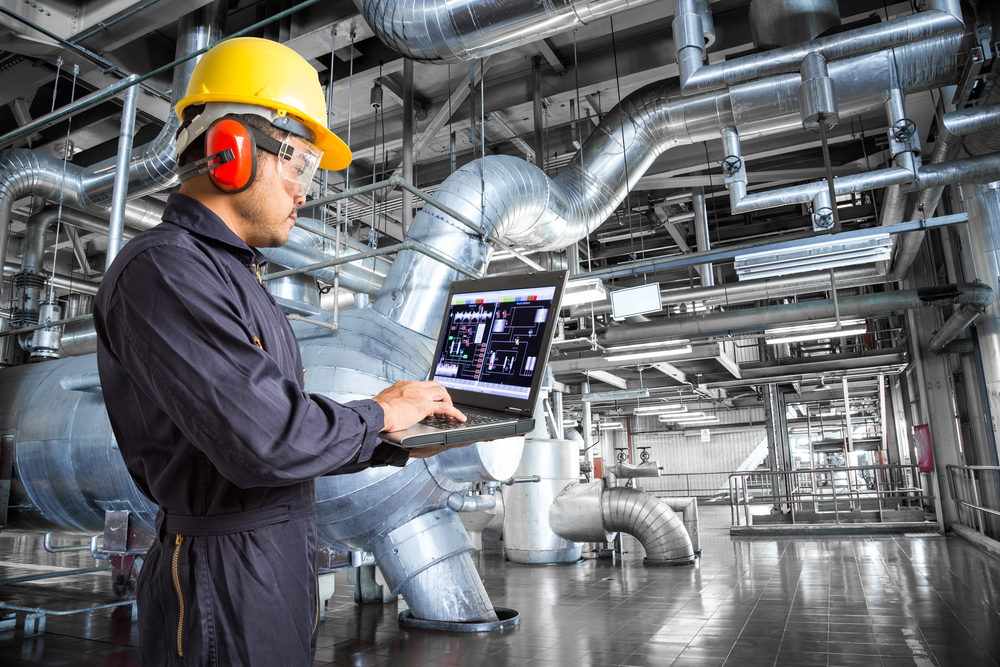
Field instrumentation is the equipment installed out in the plant, in the "field", that measures and controls the process. Instruments measure variables such as pressure, temperature, flow and level, and send that information to the control system. Final control elements, such as control valves, then act on the process based on the control system's commands.
Together, these devices are the eyes, ears and hands of an automated plant.
| Variable | Common instruments |
|---|---|
| Pressure | Pressure transmitters, differential pressure transmitters, gauges |
| Temperature | Thermocouples, RTDs, temperature transmitters |
| Flow | Magnetic, Coriolis, ultrasonic and vortex flowmeters, orifice plates |
| Level | Radar, ultrasonic and guided wave radar transmitters, level switches |
| Analytical | pH, conductivity and gas analysers |
| Final control | Control valves, positioners, actuators |
Most instruments communicate using 4–20 mA signals, often with HART digital communication, or via fieldbus networks.
An automated plant is only as good as the information its instruments provide. If a transmitter drifts out of calibration, the control system will make decisions based on the wrong data. The result can be off-spec product, wasted raw materials, lost production and, in the worst cases, safety incidents.
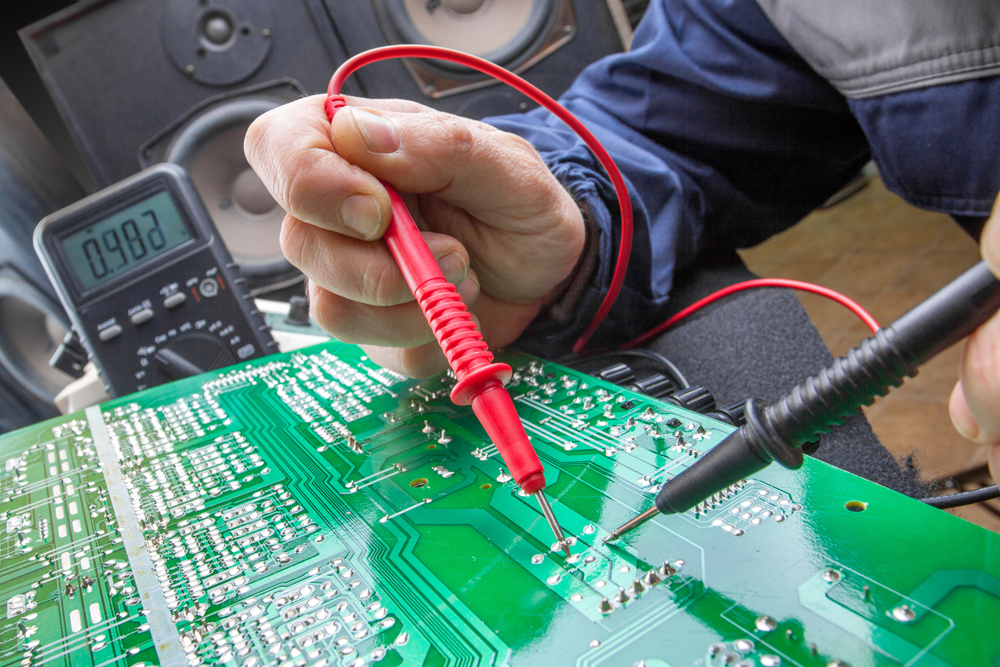
Calibration compares an instrument's output against a known, traceable reference and adjusts it so its readings are accurate across its full range. Regular, accurate calibration helps to:
As plants become more automated, the ability to calibrate instruments correctly is no longer a specialist niche. It is a core skill.
Field instruments send their signals to a programmable logic controller (PLC) or distributed control system, which runs the logic that controls the process. When something goes wrong, the fault could be in the instrument, the wiring, the I/O card or the program itself.
An electrician who understands PLC programming can follow the signal from the field device all the way through the control logic. That understanding makes a real difference to:
The line between electrician and instrument technician is becoming increasingly blurred. Today's electricians are often well cross-trained, and employers value workers who can install and maintain electrical systems, calibrate instruments and understand the control system that ties it all together.
For electricians, adding instrumentation and automation skills means greater job security, more variety in their work and access to higher-paying roles across the resources and process sectors.
At Tech Skills Australia, we specialise in upskilling electricians into automation and instrumentation. Our training covers field instrumentation, calibration and PLC programming, giving you practical, hands-on skills you can use on site straight away.
Our courses include the nationally recognised UEE40420 Certificate IV in Electrical – Instrumentation, delivered in our purpose-built training facility by experienced industry trainers. Government-funded training is available to eligible participants.
Ready to grow your career in automation? Contact us today to find out about our upcoming courses.