What Is Hazardous Areas Training and Why Do You Need It?

In industries like oil and gas, mining, chemical processing and fuel storage, a single spark in the wrong place can cause a fire or explosion. That's why anyone who installs, inspects or maintains electrical equipment in these environments needs specialist hazardous areas training.
In this article, we explain what a hazardous area is, why electrical equipment poses a unique risk, and why the right training is essential for your safety and your career.
A hazardous area is any location where flammable gases, vapours, mists or combustible dusts may be present in enough quantity to create an explosive atmosphere. Common examples include offshore platforms, refineries, LNG plants, mine sites, fuel terminals, grain silos, paint shops and sewage treatment plants.
In Australia, hazardous areas are classified into zones under the AS/NZS 60079 series of standards. The zone tells you how likely it is that an explosive atmosphere will be present, which in turn decides what equipment can be used there.
| Zone | Atmosphere | Likelihood of an explosive atmosphere |
|---|---|---|
| Zone 0 | Gas or vapour | Present continuously or for long periods |
| Zone 1 | Gas or vapour | Likely to occur in normal operation |
| Zone 2 | Gas or vapour | Not likely in normal operation, and only for a short time if it does |
| Zone 20 | Combustible dust | Present continuously or for long periods |
| Zone 21 | Combustible dust | Likely to occur in normal operation |
| Zone 22 | Combustible dust | Not likely in normal operation, and only for a short time if it does |
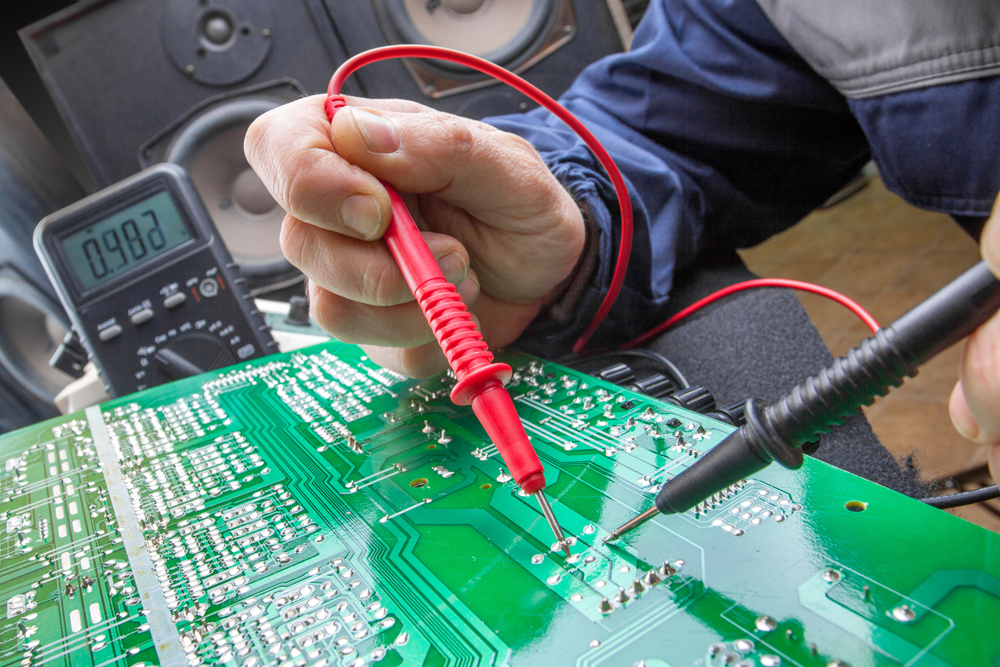
Electrical equipment is one of the most common potential ignition sources in a hazardous area. Sparks from switches and connections, hot surfaces on motors and lights, and even static discharge can all ignite a flammable atmosphere.
To manage this risk, equipment used in hazardous areas is specially designed and certified with explosion-protection techniques, known as Ex protection. These include:
Each technique only works if the equipment is selected, installed, inspected and maintained correctly. A missing bolt, damaged seal or wrong cable gland can quietly turn certified equipment into an ignition source.
A standard electrical licence does not, on its own, qualify you to work on equipment in hazardous areas. The work calls for specific competencies, and there are several reasons it matters.
Explosions in hazardous areas can be catastrophic, causing loss of life, serious injury and major damage to plant. Proper training gives you the knowledge to recognise the risks and do the work safely.
Australian Standards and work health and safety laws require that people working on explosion-protected equipment are competent to do so. Employers have a duty to ensure their workers hold the right competencies.
Most oil and gas, mining and processing sites will not let electricians work in hazardous areas without recognised hazardous areas competencies. Many also require the internationally recognised IECEx Certificate of Personnel Competence (CoPC).
Hazardous areas skills are in high demand, particularly across Western Australia's resources sector. Holding these competencies opens doors to higher-paying roles in Australia and overseas.
Hazardous areas training builds the practical skills and knowledge to work safely with explosion-protected equipment. Depending on the course, it typically covers:
These units form part of nationally recognised qualifications such as UEE42622 Certificate IV in Hazardous Areas – Electrical.
At Tech Skills Australia, we are a leading provider of hazardous areas training and a Registered Training Provider under the IECEx Certification Scheme. Our students train in excellent facilities with hands-on equipment, guided by experienced industry trainers.
We offer nationally and internationally recognised certification, and government-funded training is available to eligible participants.
Ready to take the next step in your career? Contact us today to find out about our upcoming courses and funding eligibility.